The quiet lessons of Minnesota
In the streets, there is a noisy war. In the quiet back rooms of the churches, people are fed, clothed, and cared for.

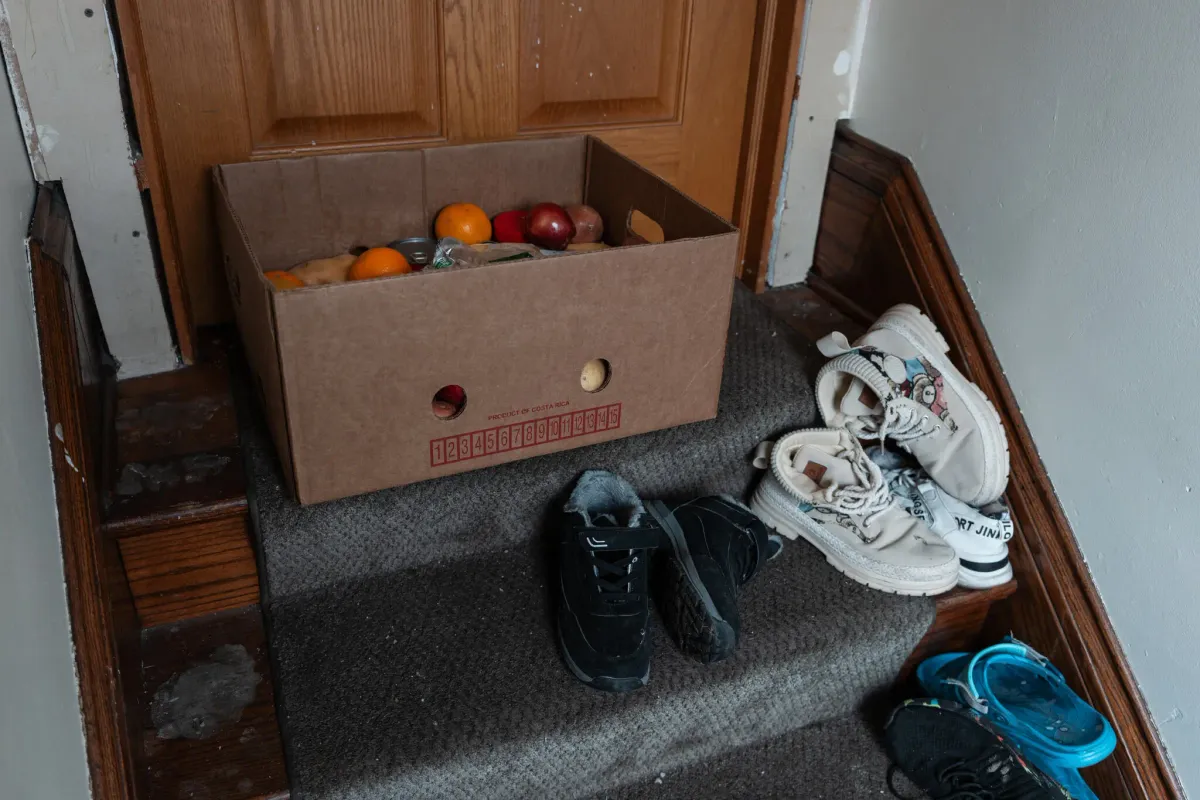
One church in Minneapolis has delivered 14,000 boxes of food and household supplies to families who are too scared to leave their houses, or who have lost their breadwinner, or whose small businesses have been forced to close.
The gargantuan effort to deliver 1,300 boxes per week is carried out by volunteers. They do it because otherwise their neighbors will suffer and starve. They do it because the bonds of community in this frigid northern town are tightly knit. They do it because it is the right thing to do.
It is also strategically important. The attacking forces know that they are causing widespread misery. That is part of their objective. If they can inflict enough pain, then the people will submit. That is how authoritarians think. That is what war is for.
And so the enormous effort to relieve suffering is part of the war. It is defense. By tending to the wounded, the volunteers keep the body of the community alive. By tending to the weak, they help the strong to fight. The helpers are behind the front line, but they are in the forefront of the struggle.
This is the ultimate meaning and purpose of "Solidarity Prepping": to keep the community alive when chaos and danger threaten to kill it. This is something we all must learn to do. The danger that finally arrives for us may be of natural origin, or it may be brought by other people, but it will arrive, and we must be ready.
An effort that started with a couple of hundred deliveries a week quickly swelled into a vast operation involving thousands of volunteers, who have signed up at the church to pack boxes with donated grocery items and make deliveries. Mr. Amezcua said that, so far, the church had received almost 25,000 requests for grocery deliveries through an online request form. Since the program started, he said, there have been 14,000 deliveries.
Germaine Grueneberg, a Minneapolis resident, was standing in line at the volunteer sign-up on Friday afternoon. “I think the desperation is palpable right now, and we need to do something,” Ms. Grueneberg said. “I’m lucky enough to have the privilege of a comfortable home, being able to buy my own food and go out and feel somewhat safe, for the most part, and it’s about time that we support our neighbors.”
 Ana Marie Cox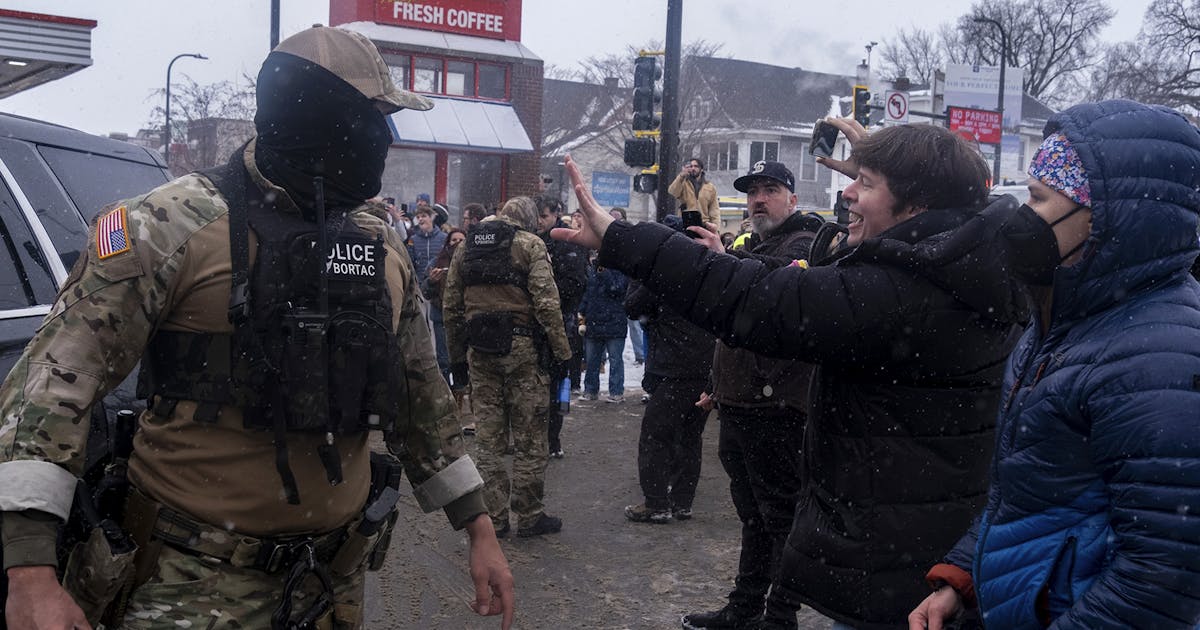
The most important lesson the rest of us can learn from that state’s wide and deeply spread resistance is that Minnesotans’ solidarity didn’t just spring up when Trump’s goons came to town. It was forged in nature’s annual frigid grip and a bit of isolation; these connections are not the welcome-if-tenuous threads formed during a singular crisis, they’re the carbon-steel fibers wound together by generations of consistent, need-blind aid to anyone that happens to be close by.
Crises prompt extraordinary sacrifice among people who suffer together. In the days after the Hill Country floods last year, aid groups had to close donation centers because there was too much to distribute at once. This impulsive desire to assist under stress is human nature, and it is a reason to have hope in dark times. But truly resilient communities don’t arise out of an emergency. They come together before that through a thousand little acts on a regular basis.
 Samantha Michaels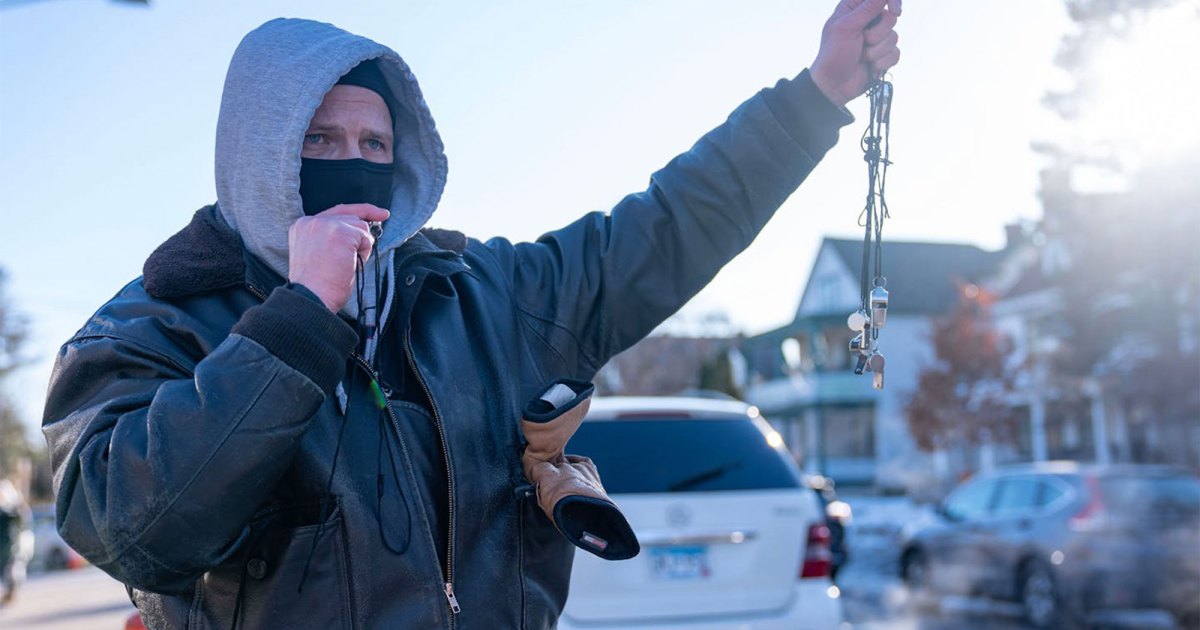
"The core message from Minneapolis is that people everywhere need to prepare for this. This isn’t the last time this is going to happen. Unless communities are talking to each other about how to protect each other from this kind of invasion, they’re going to be on their backfoot and caught unaware.
"I encourage people across the country to organize on their blocks, know their neighbors. Because that has been, far and away, the thing that has kept people safe. What it’s meant is family after family hasn’t been torn apart."